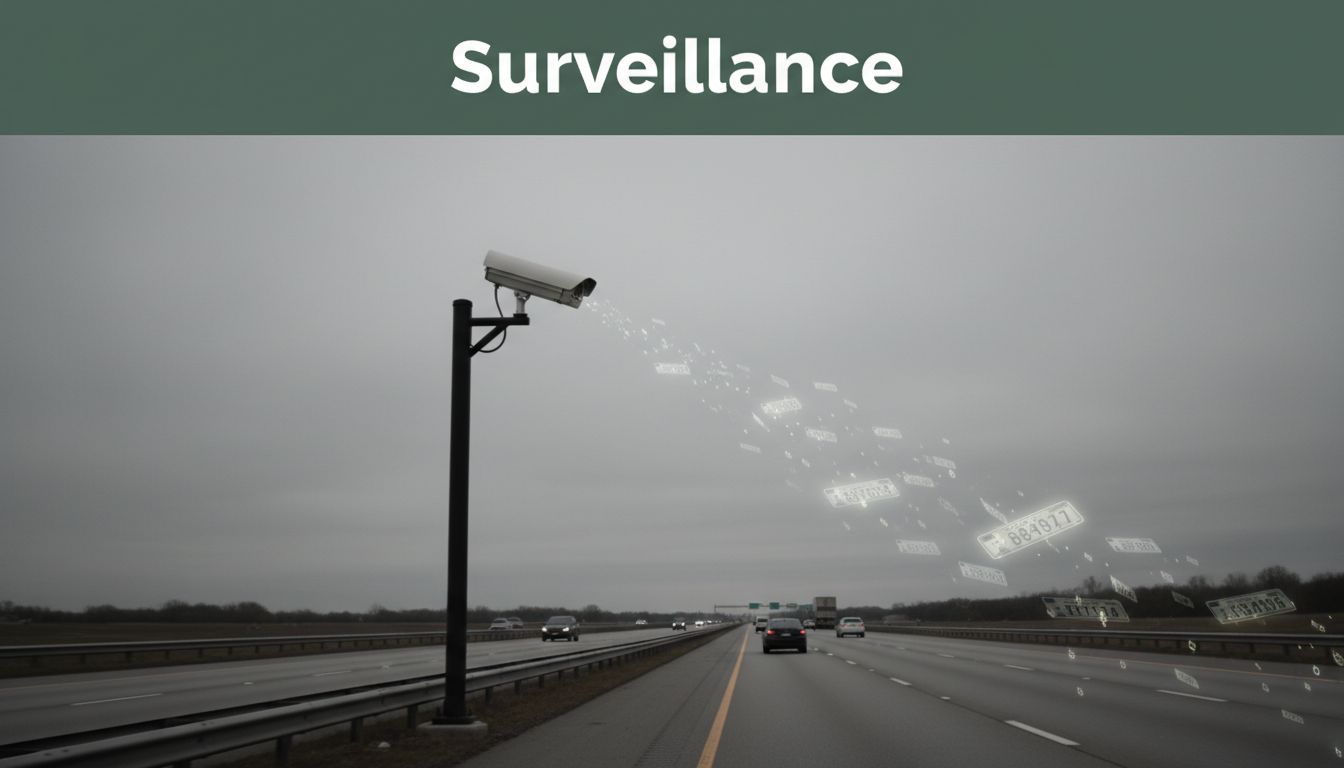
On your way to work or school, have you noticed how many cameras seem to “watch” the road? It starts with speed and red-light enforcement. Then you spot a box that reads license plates. Soon, it feels less like driving and more like being logged.
Traffic surveillance is any system that observes road activity to monitor traffic, enforce rules, or improve safety. In many cases, it captures details like license plate numbers, vehicle location, timestamps, and sometimes driver or passenger identity signals. Based on 2026 trends, the privacy concerns with traffic surveillance are getting louder, especially as AI, connected-car data, and data sharing expand.
The bottom line is simple: traffic surveillance can help reduce crashes and catch stolen cars. Still, it raises red flags around location tracking, secondary data use, and unclear transparency about who gets your data and for how long. Keep reading to see how it works, where it can go wrong, and what you can do about it.
How Traffic Surveillance Tech Tracks Your Every Move
Traffic surveillance systems don’t just “watch for speed.” They can build a detailed timeline of where you go, when you go there, and what patterns you repeat. A single commute can turn into a movement map, even if nobody stops you. Because many tools run automatically, you rarely get a chance to opt out.
In 2026, this risk grows for two reasons. First, many agencies keep more data than most people expect. Second, connected-vehicle ecosystems can combine roadside data with commercial data. That’s how a routine drive can become something closer to a profile.
Public worry is already high. In early 2026 polls, about 80% of Americans said government monitoring of online activity without a warrant is a serious concern. Road monitoring often taps into the same feeling, even if the stakes feel different day to day.
Automatic License Plate Readers: Silent Stalkers on Roads
Automatic License Plate Readers (ALPR) often sit at intersections, driveways, or along major corridors. They snap photos of plates and log the plate number, date, time, and location. After that, software turns logs into “lists” and “patterns.”
Here’s the privacy problem: ALPR data can connect your everyday destinations. If a camera repeatedly records the same plate near certain places, you get a likely routine. That routine can reveal visits to sensitive locations, like clinics, religious centers, or support services.
This is where mission creep gets real. For example, EFF has warned that license plate readers can expand beyond traffic enforcement and into broader surveillance uses (Traffic Violation! License Plate Reader Mission Creep Is Already Here | Electronic Frontier Foundation). Even when police say data is used “only for enforcement,” people still ask a harder question: who decides what counts as enforcement?
Connecticut is one example of a state moving to limit access and treat vehicle location data as sensitive. In 2026 reporting and legal updates, the focus has included tighter rules on how long data stays available and what uses are allowed, including limits tied to federal access.
Also consider the “following” effect. Even if no one shadows you on foot, ALPR networks can effectively follow a car from home to a doctor’s office, then to a workplace, then to a school pickup. It’s not magic. It’s just timing, repeat reads, and databases.
The scariest part of ALPR isn’t a single photo. It’s the pattern built from many photos.
Cameras and Facial Recognition: Seeing More Than Speeds
Traffic cameras are easy to think about as “ticket machines.” Some are. But others use image processing to support broader monitoring. In some systems, cameras and sensors link together, then software identifies vehicles and sometimes people.
Facial recognition can add a new layer. If the system can map a face to an identity (or combine facial data with other identifiers), it turns “car data” into “human data.” That shifts the privacy risk from where you drove to who you are.
Even without perfect matching, misidentification can happen. A wrong match can send investigations toward the wrong person. In crowded places, false positives can grow. In other words, the system can create more watchfulness than the situation truly needs.
In 2026, biometric worries also show up in how laws treat data. Many regulators now treat location and biometric-like data as sensitive. That matters because traffic surveillance increasingly doesn’t stay in one silo. Data from the road can mix with data from apps, connected services, and identity platforms, creating more chances for misuse.
And when people feel they’re always being watched, they act differently. They might avoid certain routes. They might skip normal stops. That’s privacy loss even when enforcement never happens.
The Sneaky Ways Your Driving Data Gets Shared and Sold
Even if you never see a privacy notice in your dashboard, your data can still travel. The first issue is transparency. Many collection and sharing policies are written in a way that’s hard to read. In practice, drivers often don’t know what happens after the drive ends.
Second, “consent” can be vague. A car purchase or connected service signup can bundle many permissions. Then, a driver’s acceptance gets used to justify later sharing.
In 2026 discussions, regulators and privacy groups often call this secondary use. That means data collected for one purpose (like safety or navigation) later fuels different uses (like insurance scoring or marketing profiles).
Australia’s privacy watchdog has been probing connected-vehicle data practices, with a focus on whether companies claim “fair and reasonable” processing when data gets used for insurance and data brokerage (OAIC privacy probe into connected vehicles. The details of their approach matter, because the privacy rules there now test fairness, not just consent.) Also, under Australia’s 2026 reforms, severe penalties can reach $50 million in serious interference cases. That’s the kind of number that signals regulators expect more than checkbox consent.
In the U.S., California enforcement also shows that “we used it safely” isn’t always enough. In March 2025, the state’s privacy regulator took an action tied to connected-car data, with a fine of $632,500 over alleged violations involving location and other vehicle data. The point is not just security. It’s also control and notice.
Why does this matter for you? Because once your driving patterns feed third parties, they can shape outcomes. It can mean higher insurance, different risk scoring, or targeted ads that feel too personal. If you think of your commute as a diary, data sharing is like selling pages from it.
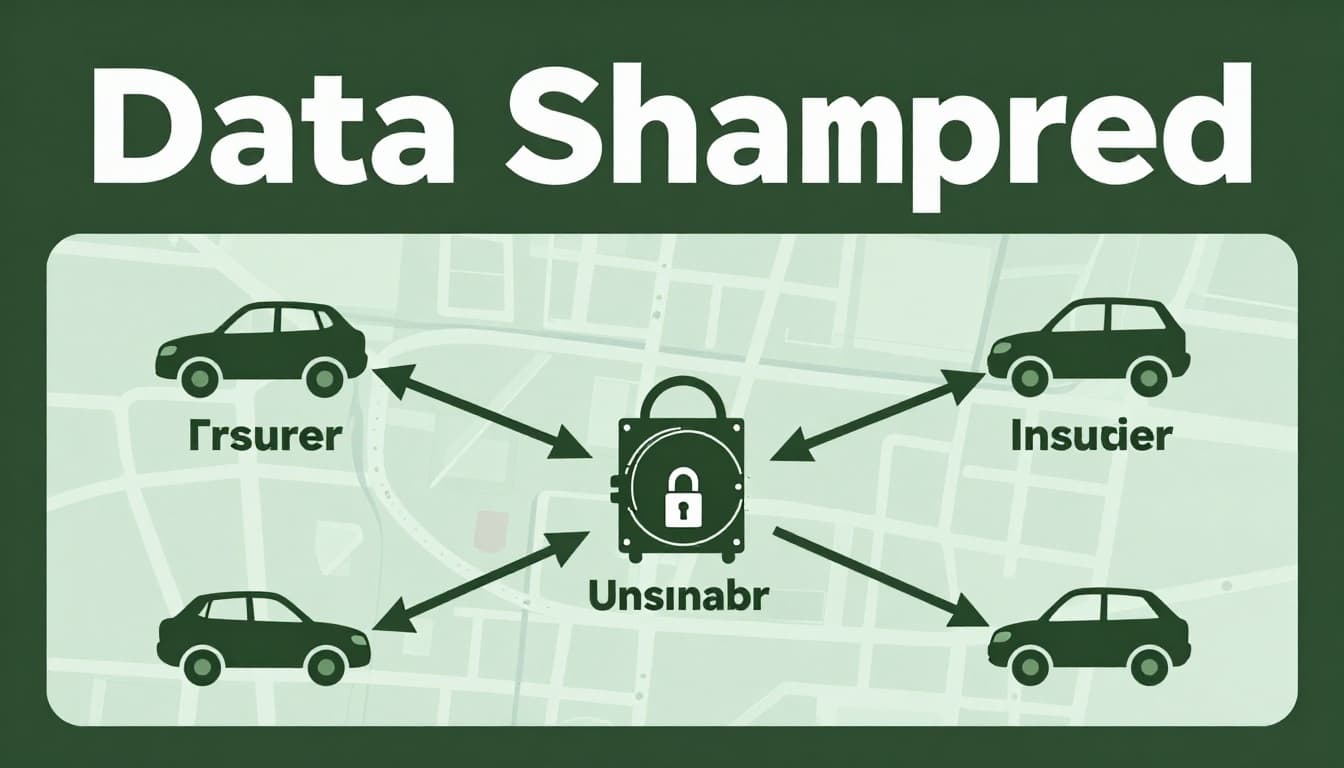
Hidden Sales to Insurers and Data Brokers
Location data is valuable because it’s easy to turn into profiles. When a system knows where you stop, how often you travel, and what times you move, it can infer routines and risk.
That’s why some reporting focuses on automakers and data partners. CNN Business has described how car data can flow to insurance, including concerns that the data may affect rates and sharing decisions (Your car could be ratting you out to your insurance company | CNN Business).
Telematics programs can also push the story. Some offer discounts for safe driving. That part sounds fair. The privacy question comes when the same data also fuels scoring models, partner sharing, or other uses you didn’t clearly understand.
Also watch out for broker networks. Even when a company says it “shares” data, that might mean it sells or enables access to a third party that then sells insights again. Once data becomes someone else’s asset, you lose control.
No Clear Rules on Who Sees Your Data
Another problem is the missing middle between rules and real life. Many drivers never receive a clear notice about:
- who can access data,
- how long the data is kept,
- whether the data gets shared,
- and what happens when you request deletion.
If policies are vague, consent becomes meaningless. If retention periods aren’t clear, you can’t plan around them. And if you don’t learn who has the file, you can’t challenge it.
That’s why ALPR and traffic camera debates often center on access limits and retention limits. The ACLU has argued that license plate readings should not automatically be treated as public data, because the logs can reveal sensitive movement patterns (License Plate Readings Shouldn’t Be Public Data | ACLU).
Real Examples and New Laws Fighting Back
The privacy story isn’t only about worry. It’s also about backlash. In major cities, residents and privacy groups have protested cameras that feel like constant monitoring. In statehouses, lawmakers now focus on restrictions that stop certain uses and limit retention.
At the same time, courts and regulators keep testing what counts as proper disclosure. When agencies and companies don’t explain data handling clearly, enforcement can follow.
Meanwhile, people have started trying to avoid being tracked online. In early 2026, VPN use was widespread, with 36% of adults using VPNs. While that doesn’t solve road monitoring directly, it shows a broader shift: many people now expect surveillance and take steps when they can.
LA Speed Cameras: A City’s Privacy Nightmare
Los Angeles has faced a loud public reaction to expanding speed camera programs. Reporting described the city approving 125 speed cameras across high-risk corridors, with automated citations planned for drivers exceeding certain speed thresholds. The coverage also highlighted privacy concerns tied to the sense of ongoing monitoring (L.A.’s New Speed Cameras Aim to Save Lives — but Raise Privacy Concerns – LAmag).
Some residents supported the safety goal. Others worried about the scale and what happens to footage and data afterward. That debate matters because speed cameras often use cameras, automatic capture, and recordkeeping that can outlast a single citation.
Even when the purpose is safety, people want guardrails:
- clear retention limits,
- limits on data sharing,
- and plain notice about what gets recorded.
Global Probes and Big Fines Shaking Up the Industry
Beyond local pushback, regulators have been willing to act. In 2026, enforcement and investigations focused on connected-car data sharing and location tracking, not just on security breaches.
In Australia, investigators have targeted the “fair and reasonable” test for using personal data, including whether collecting certain details is truly necessary. Penalties there can go very high in serious cases.
In the U.S., the policy pressure includes connected-vehicle rules, ALPR limits, and state attorney general activity. Connecticut has also moved to address how license plate data can be used and shared, especially when it comes to federal access.
Oregon is a key example for 2026 because it ties traffic-adjacent data to stronger privacy boundaries. Starting January 1, 2026, Oregon changes how companies can handle precise geolocation data. It also bans selling personal data for children under 16, including location data. Reporting on Oregon’s ALPR and license plate camera restrictions shows lawmakers aiming to keep license plate data away from federal immigration enforcement (Oregon lawmakers approve bill to keep license plate data away from federal immigration officials – oregonlive.com).
So yes, there’s hope. But it’s not automatic. Each state has different rules, and each vendor can interpret policies in different ways.
Simple Steps to Guard Your Privacy Behind the Wheel
You can’t erase every camera log. Still, you can reduce exposure and push your data choices toward “you decide,” not “the system decides.”
Here are practical moves you can make without buying new hardware.
- Check the car app and connected settings. Turn off location sharing and telematics features you don’t need.
- Review account permissions for roadside or toll services. If an app wants broad access, look for “precise location” toggles.
- Use privacy options in your own devices. If your phone shares location with apps, reduce background tracking.
- Be careful with “safe driving” programs. If the program offers discounts, read how data is shared before you opt in.
- Ask local agencies what happens to camera data. Request retention times and sharing rules. City council meetings and public records often cover it.
- Support opt-out and data-limit laws. Your voice helps when rules lag behind tech.
If you want more hands-on guidance for connected cars, Consumer Reports has a clear look at how to stop a car from collecting or sharing driving data, plus what settings to look for (Your Car May Be Spying On You. Here’s How to Get It to Stop.).
Conclusion
Traffic surveillance can improve safety, and most of us want fewer crashes. Still, the same systems can create big privacy risks through location tracking, identity signals, and data sharing.
ALPR logs can build routines. Cameras can expand beyond tickets. Then companies and third parties can use your driving data for secondary purposes, without clear, easy control.
What changes the outcome is pressure and clarity. When laws require limits, people benefit. When agencies publish retention and access rules, drivers can make real choices.
Have you noticed more cameras in your area lately? Share your experience, comment on what you’ve seen, and push for better rules where you live. Safety matters, but privacy matters too.