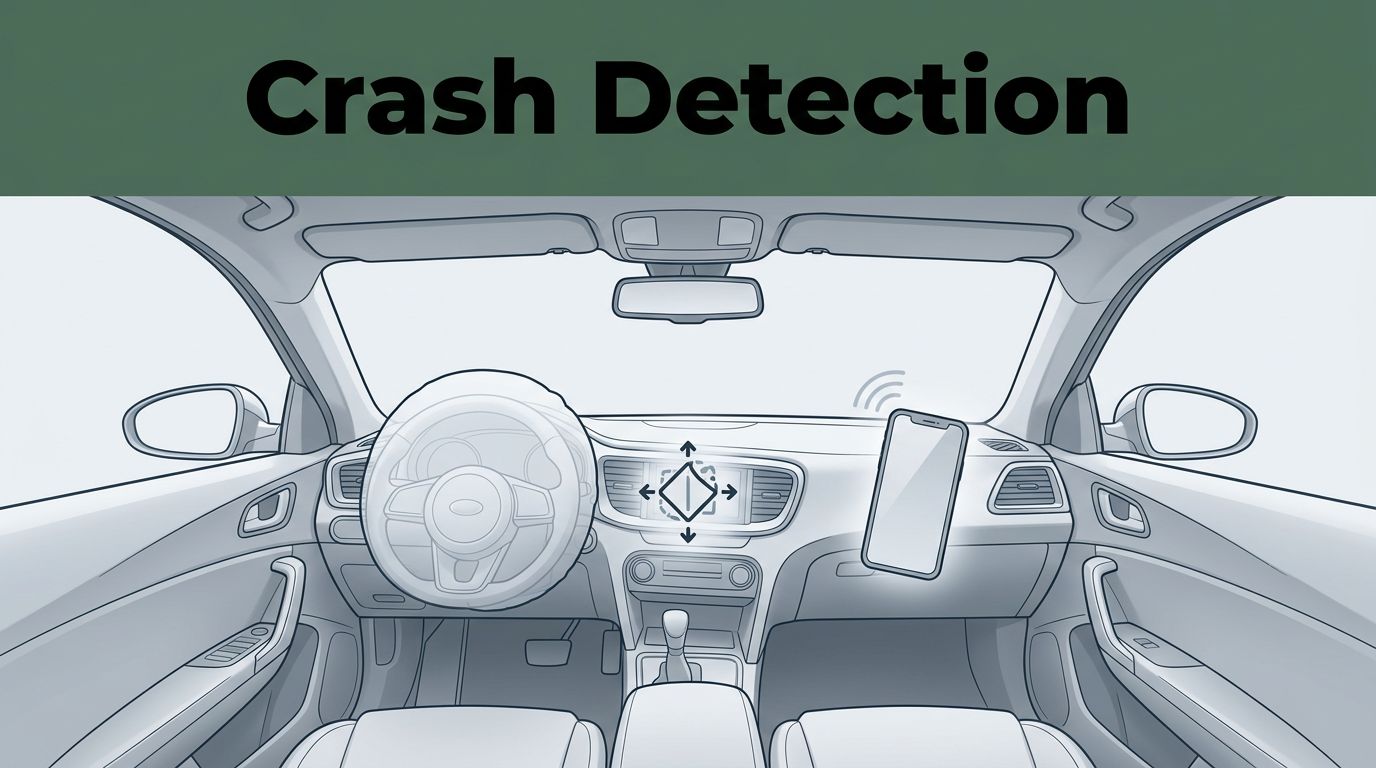
Imagine a crash where the driver is unconscious. Yet help still gets called quickly. That’s what automatic accident detection systems are built to do, and it matters because seconds can change outcomes.
So, how are accidents detected automatically? Cars and phones use vehicle safety sensors and smart software to spot sudden danger patterns. They look for big changes in motion, visible threats, and unusual driving events. Then they trigger alerts before a human can even react.
In the sections ahead, you’ll see how systems detect impacts, how cameras spot hazards, and how telematics and phones add extra backup.
Sensors That Feel the Impact First
Most automatic detection starts with one idea: crashes cause sudden, measurable change. Your car has sensors that watch speed, rotation, pressure, and impact force. When the values cross a safety threshold, the car assumes something serious happened.
Meanwhile, these sensors rarely work alone. Instead, the car uses sensor fusion, which means it compares multiple signals at once. That reduces false alarms from potholes, hard braking, or rough roads.
Common sensor inputs include:
- Accelerometers for sharp speed changes (like sudden deceleration)
- Gyroscopes for rotation, roll, and spinning
- Airbag sensors that confirm crash severity
- Seat and belt sensors that track occupant position and response
- Pressure sensors that help detect side impacts and cabin intrusion
- Sometimes microphones (or related cabin sensors) for supporting context
For a practical breakdown of crash sensor types, see Crash Sensor Types: Essential Guide 2025.
When a threshold triggers, the car’s safety computer typically follows a quick chain:
- Read sensor values (often in milliseconds).
- Check whether the pattern matches known crash types.
- Estimate severity (and who should be protected).
- Send an automatic alert if the event is likely a serious accident.
Accelerometers and Gyroscopes: Detecting Sudden Jolts
Accelerometers measure acceleration forces. In crash-like events, values can jump fast, sometimes into the tens of g’s range. Gyroscopes measure angular movement, like tilting or flipping.
Think of it like a phone that knows when you drop it. The phone feels the “hit,” then it can tell the difference between a harmless bump and a real fall. Cars do the same thing, but with tougher thresholds and more signals.
These sensors are especially useful in:
- Rear-end collisions, where deceleration spikes quickly
- Side impacts, where rotation becomes more obvious
- Rollovers, where the car sees sustained changes in tilt and spin
In 2026 models, manufacturers keep tuning detection logic. The goal is fewer false alarms, especially on bumpy roads. However, they usually won’t publish exact accuracy numbers publicly.
Airbag and Pressure Sensors Seal the Deal
Airbag deployment acts like a strong confirmation. When the system sees a crash serious enough to inflate airbags, it has high confidence the event needs help.
Pressure-related sensors add extra detail. For example, they may detect cabin pressure shifts during a side crash. Tire sensors and cabin sensors can also help identify the impact angle and location.
This is where data fusion matters most. The car may require multiple confirmations before calling it a crash. That prevents “call for help” alerts from every hard brake or rough road event.
In other words, airbag and pressure sensors help answer one key question: Is this crash-like damage, or just sudden movement? When the system says “yes,” the emergency flow can start immediately.
AI Cameras That Watch and Predict Crashes
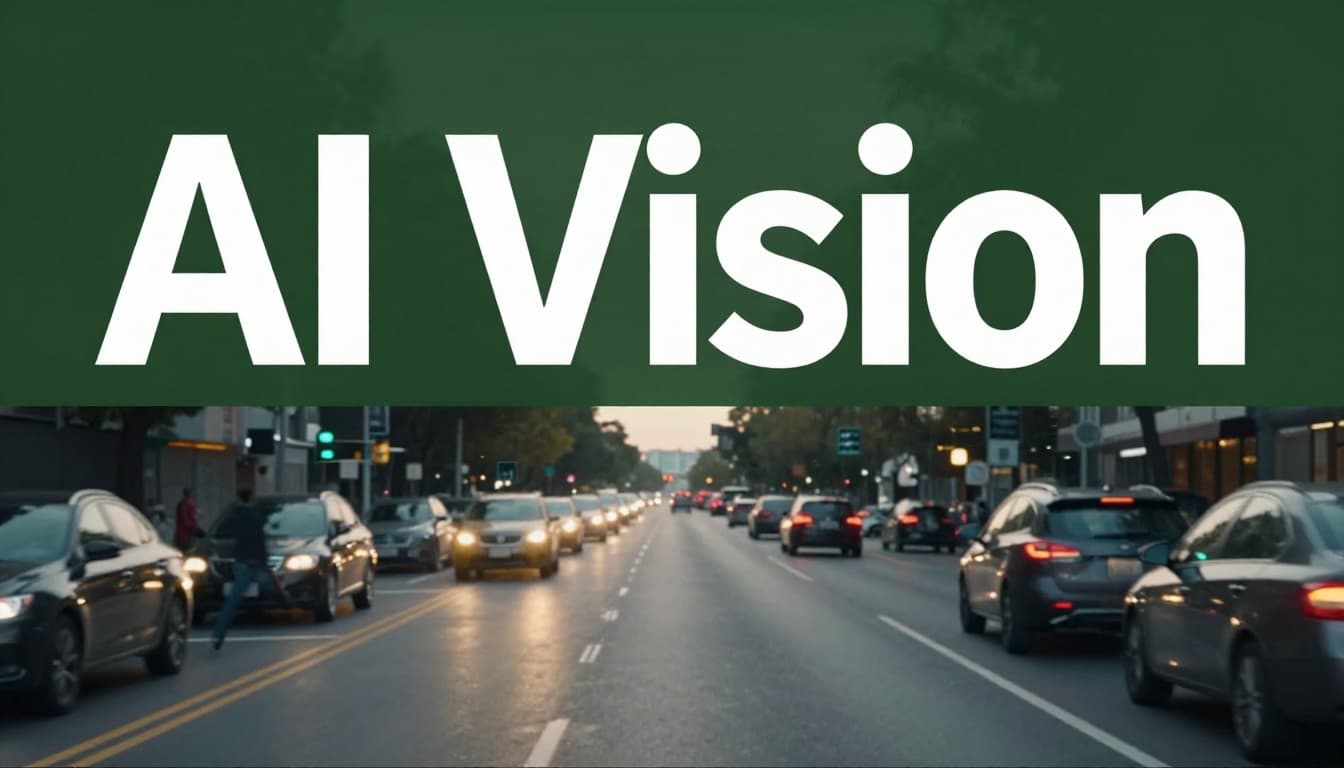
Sensors feel motion. Cameras see context. That’s why newer crash detection technology increasingly uses AI cameras for more than reaction after impact.
These systems can monitor the road ahead and look for danger patterns. Instead of only asking, “Did we crash?” they also ask, “Is a crash likely right now?”
For a look at how this is evolving alongside telematics, check Safety Vision Releases 2026 Report on How AI Video Telematics Is Transforming Transportation Safety.
Now, let’s make it real. What if your car sees a kid on a bike? The camera can flag “unusual crossing,” especially with fast movement and unpredictable spacing. Then the system can warn you, prepare braking support, and potentially trigger an emergency response if impact is likely or happens.
Spotting Road Hazards with Computer Vision
Computer vision turns video into usable clues. It can detect:
- Pedestrians and cyclists
- Stopped vehicles
- Lane drift or sudden path changes
- Objects on or near the roadway
A neural network learns what “normal driving” looks like. Then it spots when the scene doesn’t match, like a dark shape entering the lane or a stopped car where one shouldn’t be.
When danger is detected early, safety features can act faster. That matters because speed of reaction affects injury severity.
Also, cameras can complement the motion sensors. If sensors detect a rough event and the camera confirms an obstacle or collision, the system has stronger evidence. That can improve both confidence and speed.
Driver Monitoring to Catch Distraction Early
Cameras can also watch the driver. Driver monitoring systems track eye behavior, head pose, and other visual cues. If you look away for too long or your eyes show signs of drowsiness, you get a warning.
This approach tries to prevent crashes, not only detect them. The best crash is the one that never happens.
On busy highways, this can catch missed hazards that a human might not notice in time. Then it can reduce the chance that motion sensors even need to do their job.
Telematics and V2X: Cars Connecting for Safety
Sensors detect. AI interprets. Telematics connects the dots after something happens.
Telematics often includes GPS and onboard diagnostics. When an event triggers, the vehicle can package location, direction, speed, and impact timing. Then it can send that data to a response center or emergency service workflow.
V2X (vehicle-to-everything) expands the idea further. It lets vehicles exchange safety messages with each other (V2V) and with roads or infrastructure (V2I). The point is simple: if one car sees danger, others can react sooner.
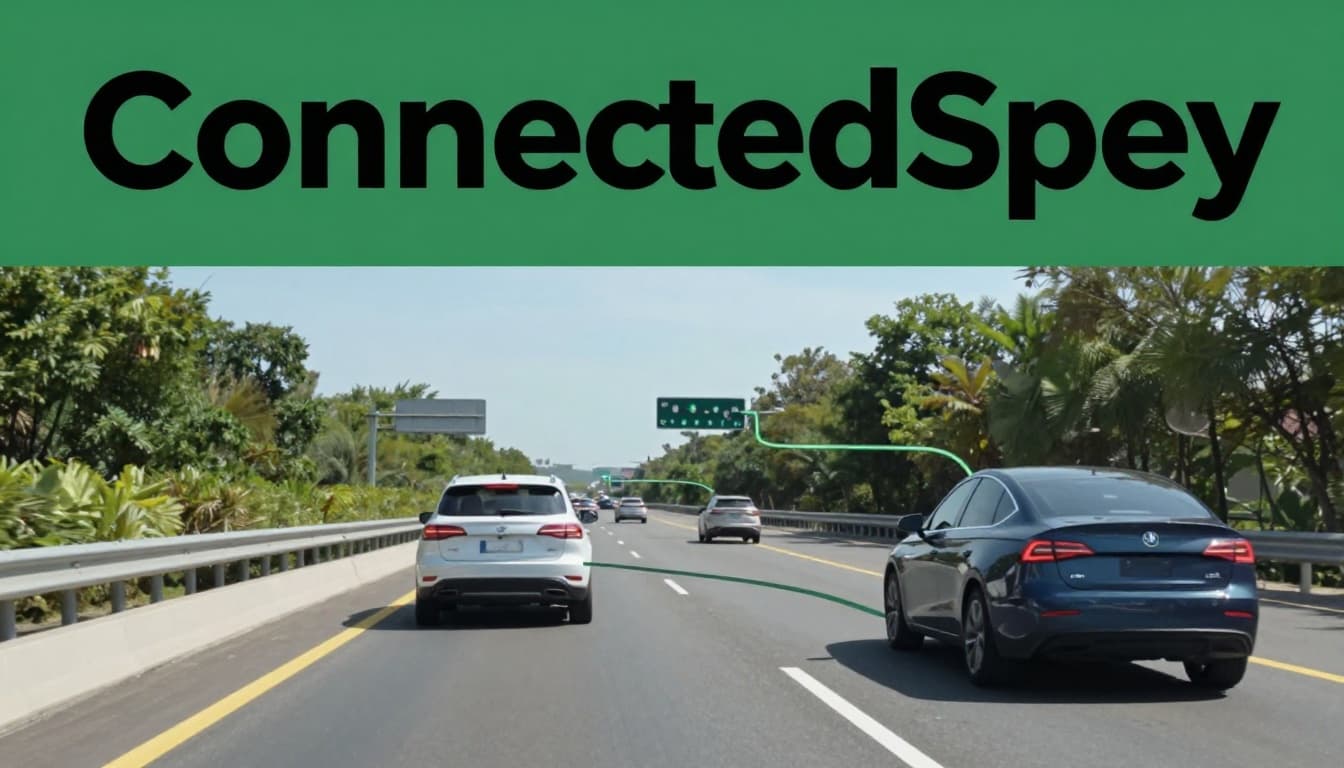
For a clear overview, see Connected vehicles: A guide to V2V & V2X technology.
GPS and Data Tracking Your Every Move
GPS gives the “where.” The rest of the data gives the “what happened.”
A system can log:
- Location pings and heading
- Speed changes and braking patterns
- Time-stamped events
- Confirmation from impact and restraint sensors
If the car suddenly stops in a strange place, the system can treat that as suspicious. Then it can request help even if nobody calls. This helps when crashes happen out of cell range or in rural areas.
Vehicle-to-Everything Communication in Action
V2X aims to reduce chain reactions. If one car brakes hard, others can receive warnings. If weather or traction signals indicate risk, nearby vehicles can slow earlier.
Imagine black ice ahead. A vehicle that detects unusual road conditions can warn others nearby. That gives drivers extra time to avoid a pileup.
Even when an impact happens, V2X and telematics can speed up the emergency timeline. Response teams get better location data, so they don’t hunt for where the crash occurred.
Smartphones and Brand Systems as Extra Layers
Cars aren’t the only devices that can detect crashes. Modern smartphones also use accelerometers, gyroscopes, and GPS.
If your phone detects an impact pattern, it can prompt emergency calling. Many setups also share your location with the emergency response flow.
For setup details on common phone platforms, see Car crash detection on iPhone and Pixel.
Brand systems add another layer too. Services like GM OnStar use built-in connectivity to place calls and share details. Tesla combines multiple sensors for driving assistance, and that sensor data can support incident response workflows when available.
In 2026, integrations also expand in health-related directions. Some cars and wearables can provide extra context during medical emergencies, too, not only impacts.
The big benefit is redundancy. If one system misses or fails, another device may catch it. That can help when battery power drops, a vehicle control module resets, or a person cannot speak.
From Detection to Help: The Emergency Chain
Detection is only step one. The real goal is getting help fast.
Once an automatic event triggers, the emergency chain usually looks like this:
- The system identifies the event type and severity.
- It grabs GPS location (and route context when available).
- It starts an emergency call, or sends an alert to a response center.
- It includes data that helps responders, like crash timing and vehicle direction.
- It can share supporting logs for insurers and claims.
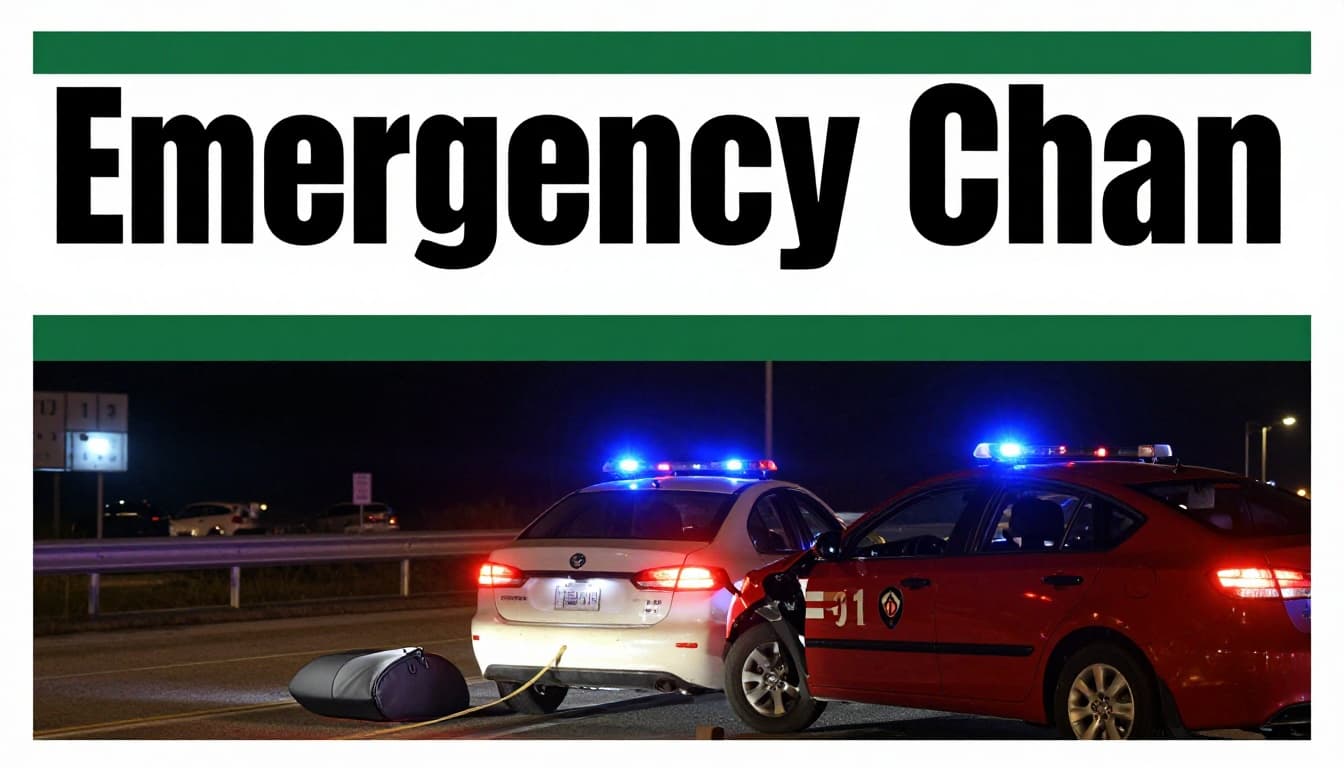
Some systems also store event records, including sensor summaries. That can speed up insurance handling when people can’t explain what happened.
Looking forward, the trend is more context, less guessing. AI predictions, better driver monitoring, and (in some areas) health telemetry can make these automatic calls smarter over time.
Conclusion
So, how are accidents detected automatically? It’s a stack of clues, not one magic sensor. Motion sensors spot impacts. AI cameras interpret hazards. Telematics sends the location fast, and phones add backup when you cannot call.
The strongest systems work like a safety net. They compare signals, confirm events, and then start help without waiting on a human answer.
Next, check what your vehicle or phone offers. Then make sure your settings are on. Drive safe, knowing tech has your back.