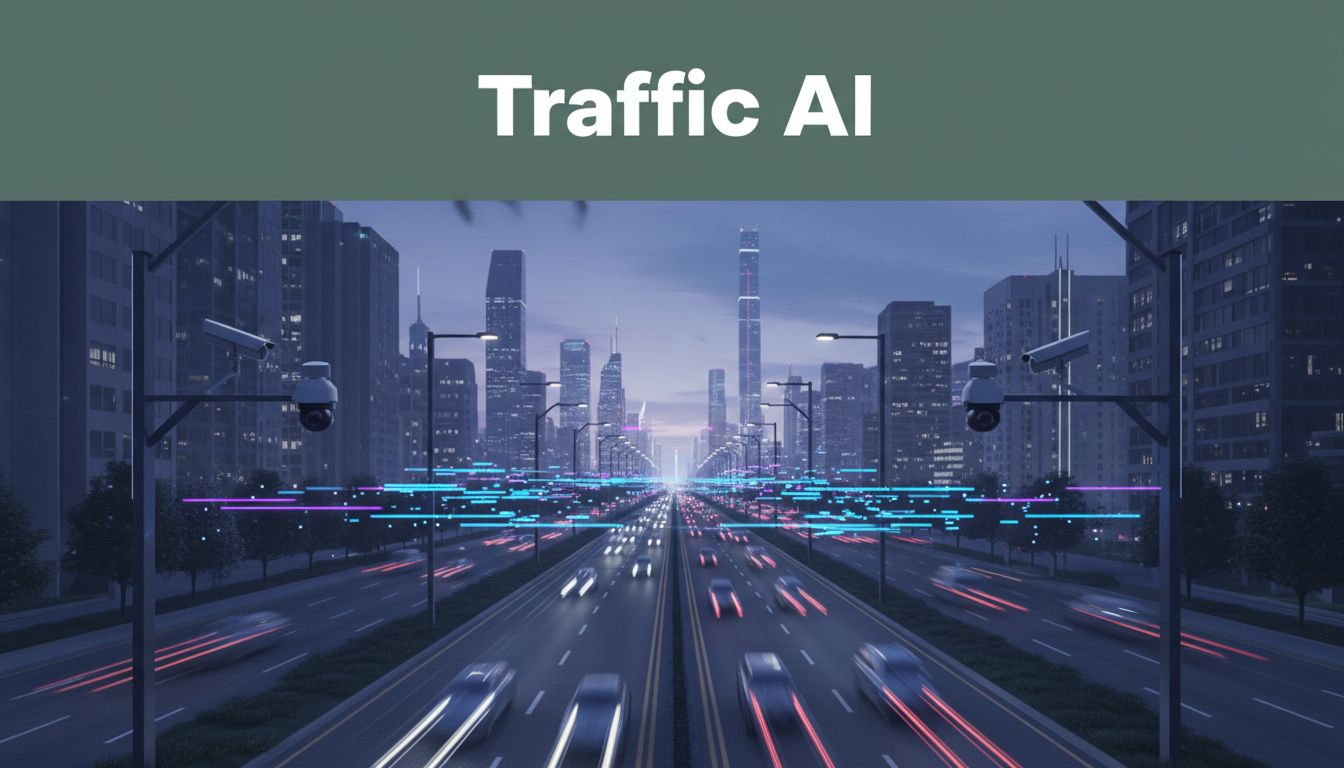
You know the feeling. You hit the commute, and the next thing you know, you’re stuck at red lights. Then you watch traffic crawl, mile by mile, while your fuel gauge drops.
Smart cities traffic monitoring systems aim to fix that. They use cameras, roadside sensors, and AI tools to spot slowdowns early. Then they adjust signals, reroute guidance, and help responders reach incidents faster.
In 2026, many cities aren’t just “watching” traffic. They’re predicting problems and acting on them in near real time. That means fewer delays, safer streets, and less idling, which can cut pollution too.
This guide breaks down the main technologies behind smart traffic monitoring. You’ll also see real examples from places like Singapore, Dubai, Barcelona, and Los Angeles. Finally, you’ll learn the big challenges, plus what’s coming next in 2026.
The Tech That Makes Traffic Monitoring Tick in Smart Cities
Think of a smart city like a nervous system. Roads send signals, and traffic tech reads them fast. If congestion starts forming, the system doesn’t wait for drivers to notice.
In 2026, most smart traffic monitoring networks combine several layers:
- AI-powered cameras that understand scenes and count vehicles
- Roadside sensors that measure speed, flow, and spacing
- License plate recognition (LPR) to support access and enforcement
- AI analytics platforms that predict travel times and adjust plans
These layers feed into traffic control software. That software then informs adaptive traffic lights, incident alerts, and corridor rerouting. In practice, it works like this: cameras and sensors detect a pattern, analytics confirm it, and signal timing changes before the jam fully forms.
Because the data needs to be useful fast, many deployments use edge AI. Edge AI runs on devices near the intersection. So the system can make quick decisions without waiting for every event to travel to a distant server.
For a quick example, imagine cameras noticing a lane shift plus slowing vehicle speed. In other words, they see a “jam seed” forming. Meanwhile, sensors verify that the slowdown is real. Then the signal plan changes to reduce spillback.
AI Cameras and Video Analytics
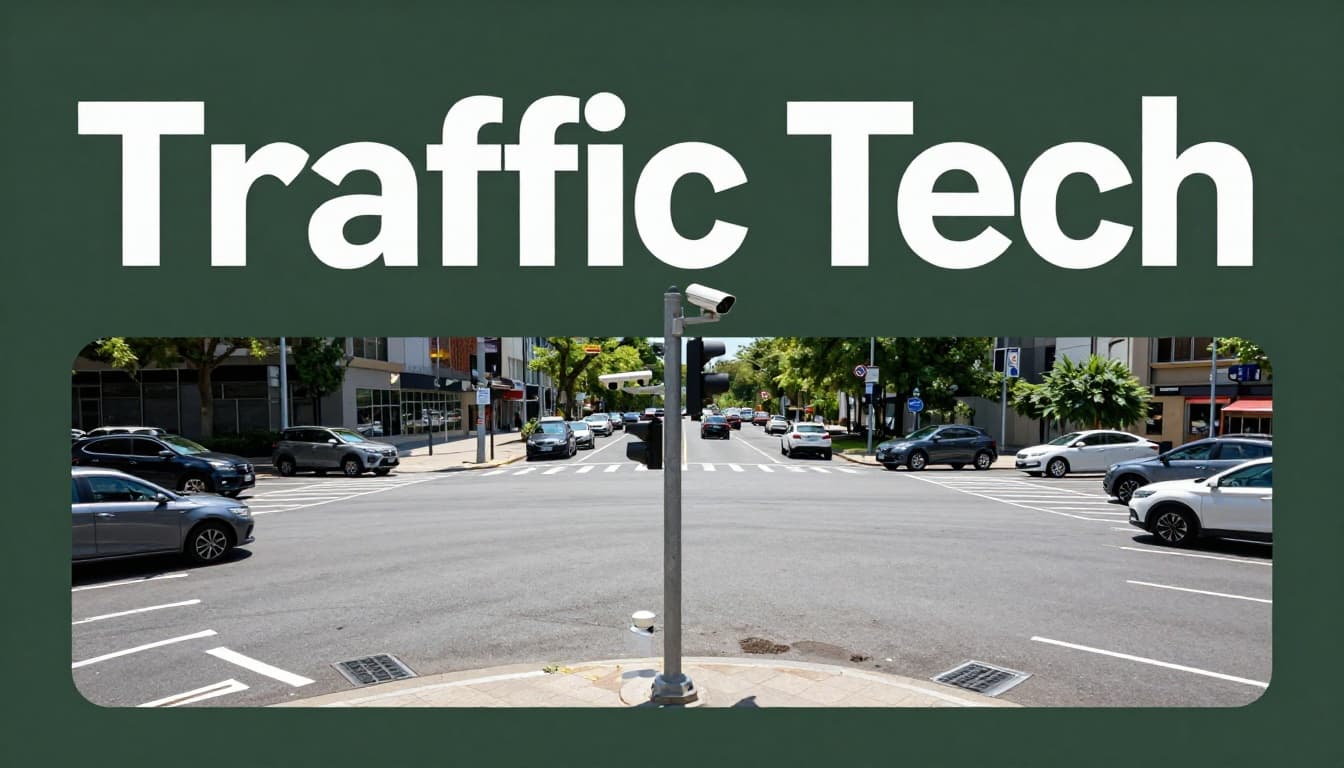
AI cameras do more than record. With video analytics, they can extract traffic meaning from the footage. For instance, they may detect vehicle type, direction, and approximate speed.
Many cities also use video analytics to flag risky situations. That can include stopped vehicles in unusual locations, near-misses, or traffic violations. It’s also helpful for emergency response. If a major incident happens, the system can recognize unusual traffic behavior sooner than people can.
A key advantage is that video analytics can often be added without major new infrastructure. You might already have traffic cameras. With AI upgrades, the camera becomes a smarter “eye.” Some vendors market AI features that auto-detect jams and violations, and they auto-adjust camera settings to better track events.
GoodVision is one name that shows up in smart traffic discussions for jam and behavior detection. Dahua has also demonstrated AI upgrades aimed at improving signal control and congestion response. Even so, the core idea stays the same: video becomes measurable data.
Sensors and Smart Detection
Cameras provide rich detail, but sensors add trusted measurements. Together, they reduce guessing.
Common sensor types include:
- Inductive loops in the road that detect passing vehicles
- Radar units that estimate speed and sometimes classify targets
- GPS and probe data from connected vehicles (when available)
Inductive loops are widely used because they’re proven. They measure vehicle presence and can help estimate flow. Radar can fill gaps when lighting or weather reduces camera performance. Probe data adds a citywide view, since vehicles carry information as they move.
Once the system has speed and flow, it can feed adaptive decisions. For example, the system can adjust signal timing based on real demand. It can also provide faster warnings when traffic backs up beyond a threshold.
On busy corridors, these alerts matter. They give maintenance crews and traffic managers time to act. They also give drivers clearer guidance, which reduces sudden braking and lane changes.
AI Analytics and License Plate Tech
After detection comes interpretation. That’s where analytics and license plate tools often fit in, especially for zones that require access rules.
Modern LPR goes beyond basic OCR. Edge-based LPR can help classify plates and match them to rules. It also supports linking records to images or short clips for review.
If you want a technical overview of how LPR supports road AI and smart enforcement, see LPR camera systems from Hanwha Vision. For a broader look at how LPR tech keeps improving, what’s new in LPR technology is a useful explainer.
In many cities, LPR is used carefully. It may support restricted lanes, paid access areas, or incident verification. The goal isn’t to “watch everyone.” It’s to make access rules and incident review more reliable.
Still, the results depend on good system design. Data accuracy, clear retention rules, and strong governance decide whether LPR adds value safely.
Real-World Wins: Smart Cities Leading the Way
Traffic monitoring systems work best when they connect to action. Cameras and sensors matter most when they change what the city does next.
Here are a few 2026 examples that show how monitoring becomes improved driving conditions.
Singapore’s Non-Stop Traffic Watch
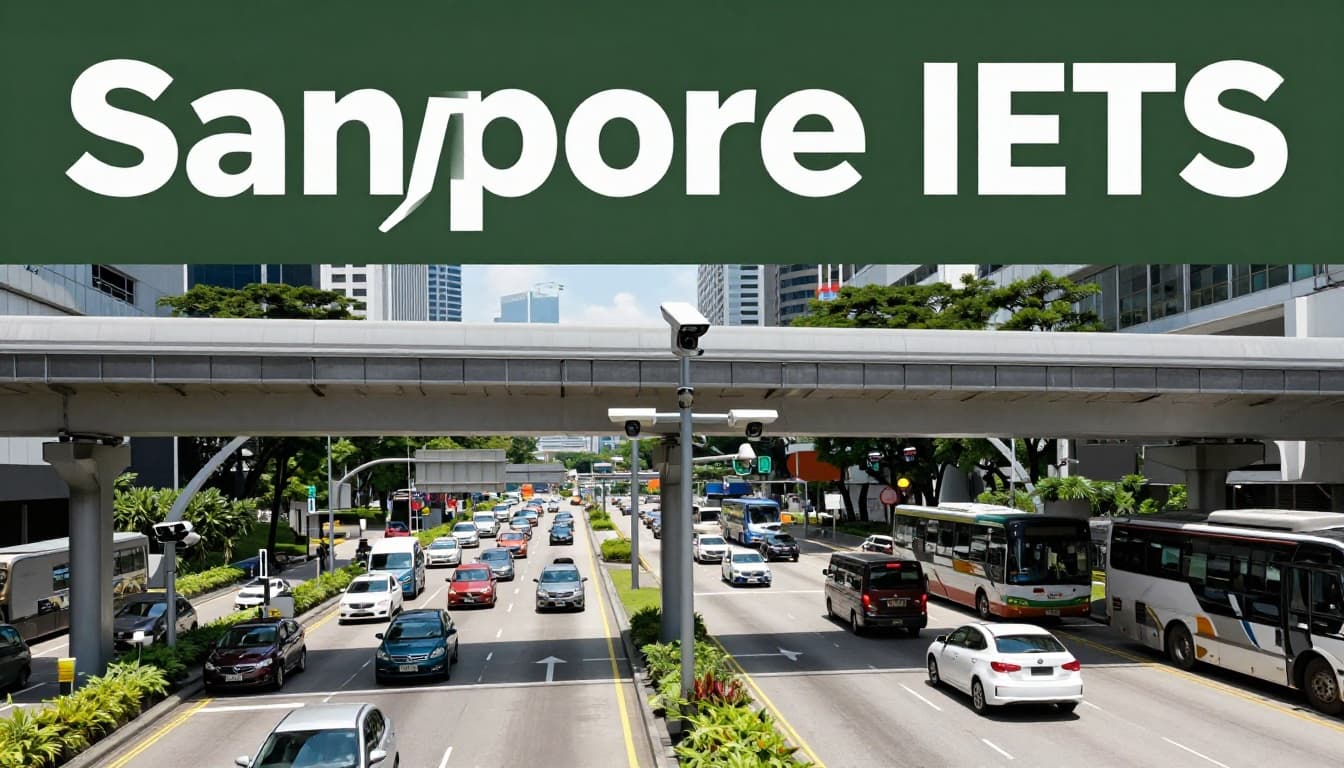
Singapore has long been known for intelligent transport systems. In 2026, that reputation keeps growing, especially with more predictive and AI-driven traffic control.
Smart Cities World reports on Singapore’s deployment of a next-gen intelligent transport system, including real-time optimization efforts. You can read Singapore’s next-gen intelligent transport system for more context.
In day-to-day terms, the “win” looks like this: during rush hour, the system shifts signal timing to match demand. Then it updates those plans as conditions change.
That means fewer long waits at one intersection. It also means less stop-and-go traffic down the next block. In other words, the city tries to prevent congestion rather than only respond to it.
Singapore also uses monitoring to support safety checks. When the system sees unusual patterns, it can notify enforcement or incident teams. As a result, response times can improve, especially for events that disrupt multiple lanes.
Dubai’s AI Traffic Brain
Dubai is another city where monitoring feeds direct mobility decisions. Recent coverage describes how Dubai uses AI and digital twins to manage traffic. If you want more detail, Dubai uses AI and digital twins to manage traffic is a good starting point.
A digital twin, in plain language, is a simulated model of the real street network. So when real data shows a slowdown, the system can test what will help. Then it can suggest signal plans, timing changes, or detours.
This kind of setup is valuable during planned events and sudden incidents. It helps operators avoid the worst case: rerouting too late. Meanwhile, prediction helps reduce emissions from unnecessary idling.
Dubai’s approach highlights a bigger point about smart traffic monitoring systems. The real payoff is not in collecting data. The payoff comes from using that data to run the network better, day after day.
Barcelona and LA in Action
Barcelona and Los Angeles show how monitoring can differ by city needs.
Barcelona often uses strong control-center workflows. Video analytics and adaptive signals can help reroute traffic around slowdowns and events. It’s also a useful tool for event management, since city streets can change quickly when crowds gather.
Los Angeles adds another angle. Monitoring at complex intersections helps estimate speeds and detect red-light timing patterns. It also supports traffic management when incidents occur.
In 2026, vendors continue pushing AI traffic modules that expand what intersection cameras can do. For example, Iveda’s AI traffic management module is described in recent announcements, including traffic optimization and safety analytics. See IvedaAI’s AI-powered traffic management module for more on that direction.
The thread across Barcelona and LA is consistent. Monitoring becomes smarter management. Then the city can reduce delays and improve safety without waiting for drivers to suffer first.
Why It Works: Safer Roads, Less Pollution, and Big Savings
So why do these systems matter beyond tech buzz? Because traffic monitoring changes outcomes people feel.
When monitoring feeds adaptive signals, trips get shorter. When the city detects incidents sooner, responders spend less time blocked in backups. When enforcement and warnings improve, drivers take fewer risky actions.
Here are the biggest benefits, in everyday terms:
- Shorter trips: Adaptive signals reduce wasted time at red lights.
- Fewer accidents: Alerts can identify risky patterns and speeding behavior.
- Faster emergency routes: Incidents get detected and routed around sooner.
- Lower emissions: Less idling means cleaner air, especially on commutes.
- Better planning data: Cities learn which corridors fail under certain events.
- Ongoing 24/7 monitoring: Problems show up without waiting for reports.
In some deployments, reported outcomes include around 25% congestion reductions and travel time cuts that go with it. Emissions reductions can also occur when traffic flows more smoothly. For example, models like Pittsburgh’s SURTRAC have helped show what coordinated signal timing can do.
There’s also a financial side. A monitoring system can reduce repeated manual checks. It can help maintenance crews target what’s actually failing. Over time, that saves money and reduces roadwork disruption.
Most importantly, smart monitoring helps cities move from reactive to responsive. Instead of waiting for reports, operators see patterns and act early.
A traffic system can’t fix what it doesn’t detect. Smart monitoring makes detection faster and decisions clearer.
Challenges Today and Exciting Trends Tomorrow
Smart cities traffic monitoring systems offer real value. Yet they bring real concerns too.
Most challenges fall into a few buckets. Privacy comes first. Cost and installation work come next. Then come cybersecurity and integration issues. Finally, there’s the risk of data overload.
Tackling Privacy and Cost Hurdles
People worry about cameras that track individuals. That concern grows when license plate recognition enters the mix.
So cities often need strong rules. That means clear data retention policies. It also means limiting access to who can view and audit records. In addition, the system should separate traffic analytics from personal identification where possible.
Phased rollouts can reduce cost and risk. Instead of deploying across an entire metro on day one, a city can start with key corridors. Then it can measure results and refine the setup.
Cost also depends on what you already have. If cameras already exist, AI upgrades can be cheaper. If not, new sensors add hardware, trenching, permits, and ongoing maintenance.
Still, the cost question keeps shrinking in many places. Edge AI reduces bandwidth needs. Better analytics reduce manual labor. That makes it easier to justify monitoring improvements.
Peeking into 2026 and Beyond
Looking ahead, several trends seem likely.
First, more processing will move to the edge. That helps decisions happen faster. It also reduces how much data must travel through networks.
Second, connected vehicle tech will matter more. Concepts like V2I (vehicle-to-infrastructure) and V2V (vehicle-to-vehicle) can share conditions directly. That can improve prediction, especially for slowdowns that spread across multiple intersections.
Third, the focus may shift from enforcement-only to prevention. Sensors and AI can flag problems early. Then cities can warn drivers, adjust signals, and manage lanes. That reduces the need for “tickets after the fact.”
Finally, cybersecurity will stay central. Monitoring systems connect to networks and control platforms. So they must resist tampering, outages, and unauthorized access.
If cities get these parts right, monitoring can help without turning streets into surveillance zones.
The best smart traffic systems feel helpful, not intrusive.
Conclusion
Next time you’re stuck at a red light, imagine the city seeing what you see, only sooner. Smart cities traffic monitoring systems do exactly that, with cameras, sensors, and AI that translate road conditions into action.
Real wins come from systems that don’t just collect data. They predict congestion, adjust signals, and support safer responses. Singapore, Dubai, Barcelona, and Los Angeles show different paths, but the goal stays the same: smoother flows and safer streets.
Challenges still exist, especially around privacy, costs, and cyber risk. Yet with phased deployments and clear rules, the benefits can outweigh the concerns.
What’s the one intersection in your area that always feels worst at rush hour? If your city upgraded its monitoring and signal control there first, would it help your commute tomorrow?